 healthyfitness.uk
Welcome to your guide to understanding nutrition facts and making better food choices. I have covered why choosing nutrient-rich foods is key, not just counting calories. I have also looked at how diet affects health and longevity. Plus, tips on adding the Daily Dozen to your meals.
This guide will help improve your health. It will also help you manage health conditions through better nutrition. I have packed it with info and strategies for healthy eating habits.
Understanding nutrition can be tough, but with the right info, you can change your life for the better. I will help you grasp the basics of macronutrients and micronutrients. You’ll learn how to read food labels and ingredient lists too.
To get started, you might find it beneficial to explore our guide to calisthenics for beginners, which provides valuable insights into incorporating exercise into your routine—a key component of overall health. Additionally, our article on healthy snacks for kids offers practical tips for making nutritious choices for the whole family.
The Importance of Healthy Eating
Healthy eating is key to a balanced life. It gives your body the nutrient-dense foods it needs to work well. When you choose nutrient-rich foods, you help your body, cut down on chronic diseases. You also live longer.
Why Nutrient-Dense Foods Matter
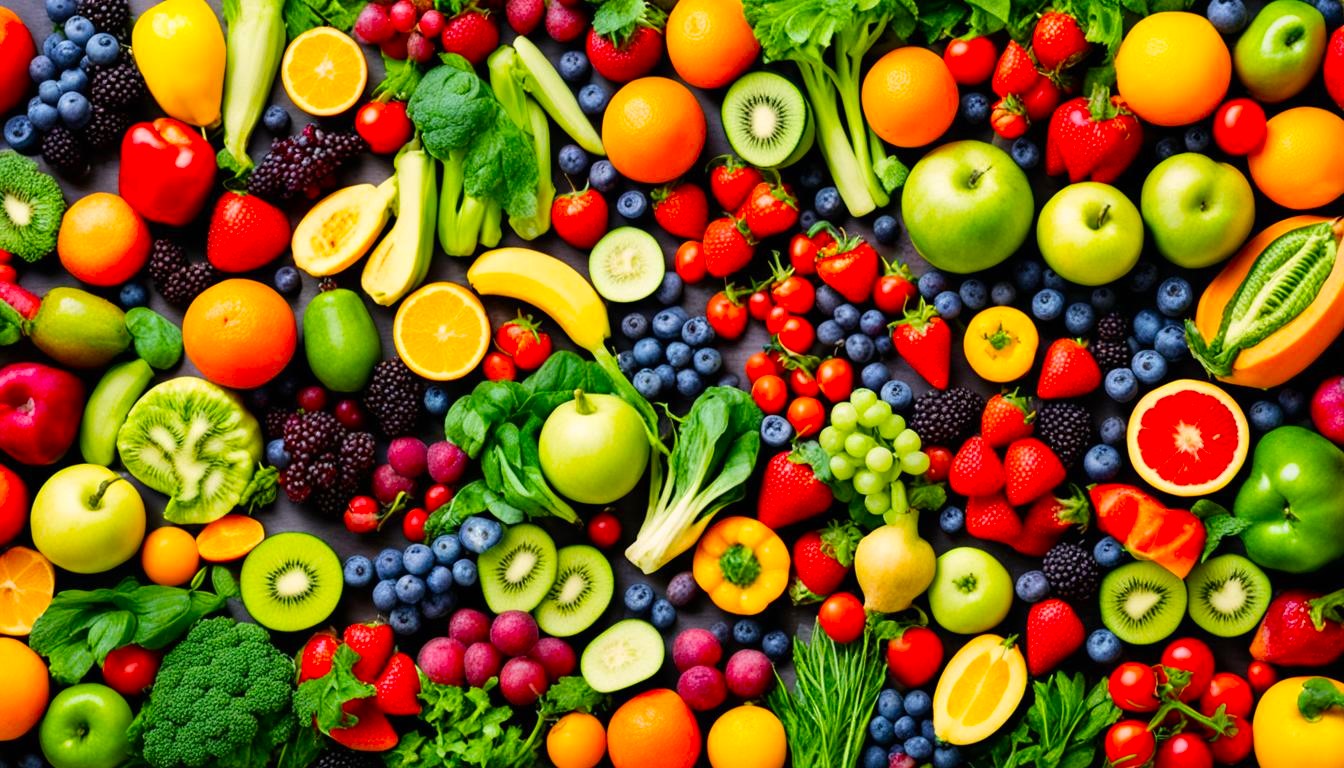
Foods like fruits, veggies, whole grains, lean proteins are full of important vitamins and minerals. These nutrient-rich foods will keep your body running smoothly. They will also help your immune system and encourage good healthy eating habits.
The Impact of Diet on Disease Risk and Longevity
Eating lots of ultra-processed foods can lead to more chronic diseases like obesity, heart disease, and cancer. On the other hand, eating a lot of nutrient-dense foods can lower your risk of these diseases. By lowering the risks of this disease, you live longer. Studies show that two-thirds of people who eat fresh fruit and veggies every day have no mental health issues. Check it out on the Mental Health Foundation.
Focusing on healthy eating and picking nutrient-dense foods lowers your disease risk. It also helps you live longer. Choosing good food quality is really good for your overall health.

The Basics of Healthy Eating
Healthy eating isn’t about strict diets or rules. It’s about making your health a priority by eating nutrient-dense foods. Instead of just counting calories, choose foods packed with protein, fiber. Also choose foods with healthy fats, vitamins, and minerals.
Prioritizing Nutrient Density Over Calorie Counting
Studies show that up to 80% of heart disease and stroke can be prevented by making healthy choices. Eating healthy foods helps your body get the nutrients it needs. This way, you don’t have to worry too much about calories.
Embracing Dietary Diversity
Eating a variety of whole, plant-based foods supports good health. These also helps you stay at a healthy weight. It also protects against chronic diseases. A diet full of fruits, vegetables, whole grains, lean proteins, & healthy fats give you all the essential nutrients.
By following these tips, you can make a balanced, sustainable diet that feeds your body and keeps you well for the long term.
Top 10 Best Nutrition Facts You Should Know
- Omega-3 Fats Are Crucial and Most People Don’t Get Enough
- Supplements Can Never Fully Replace Real Foods
- Artificial Trans Fats Are Very Unhealthy
- Eating Vegetables Will Improve Your Health
- Unprocessed Food Is Healthiest
- Added Sugar Is a Disaster
- There Is No Perfect Diet for Everyone
- It Is Critical to Avoid a Vitamin D Deficiency
- Refined Carbohydrates Are Bad for You
- “Diets” Don’t Work — a Lifestyle Change Is Necessary
Balancing Macronutrients for Optimal Health
Counting macros isn’t a must for everyone, but getting the right balance of protein, carbohydrates, and fats is key for good health. Eating a mix of nutrient-dense, whole foods will help you feel full, supports muscle growth, and gives you energy.
It doesn’t matter if you like a low-carb or high-carb diet. The main thing is to eat whole, less processed foods. These foods give you the nutrients you need. Eating too much of any macronutrient from bad sources can lead to health problems like gaining too much weight.
-
Protein should be 10-35% of your daily calories, with at least 56g for men and 46g for women needed daily.
-
Carbohydrates should be 45-65% of your daily calories, choosing whole-grain options.
-
Fats should be 20-35% of your daily calories, focusing on healthy unsaturated fats.
For weight loss, the key is to eat fewer calories than you burn. Eating a balanced diet full of nutrient-dense foods helps your health and well-being.
Limiting Ultra-Processed Foods
One of the best ways to get healthier is to eat fewer ultra-processed foods. These foods, like soda, candy, and fried snacks, have lots of additives and unhealthy fats. Eating too much of these can lead to obesity, heart disease, and some cancers.
The Dangers of Highly Processed Diets
Ultra-processed foods are often full of calories, bad fats, salt, or sugar. This makes them less healthy. A study showed that menus with lots of ultra-processed foods got 67% of their calories from them. This is much more than menus with fewer processed foods.
The scores for these menus were low, showing they didn’t follow the Dietary Guidelines for Americans.
Incorporating Whole, Nutrient-Rich Foods
-
Instead of ultra-processed snacks, eat more whole, nutrient-rich foods. Think vegetables, fruits, nuts, seeds, and lean proteins.
-
These nutrient-dense foods give your body the vitamins and minerals it needs. They help lower your risk of diseases.
-
Some packaged, processed foods, like unsweetened applesauce and ultrafiltered milk, are okay in small amounts. They can be part of a healthy eating plan.
Try to eat fewer ultra-processed foods and more whole, nutrient-rich foods. This big change can greatly improve your health and wellbeing.
Nutrition facts: Understanding Food Labels
Looking at the nutrition facts on food labels helps you make better food choices. These labels show the calories, nutrients, and ingredients in a product. They are key to picking healthy foods.
Knowing what to see on a nutrition label lets you pick foods rich in nutrients. It helps you avoid foods high in sugar and unhealthy fats. This way, you can meet your body’s nutritional needs.
Serving Size and Calories
The nutrition facts label shows the serving size and calories. Remember, the serving size might not match what you eat. Watching your calorie intake helps you control your energy and make smart choices.
Macronutrients and Micronutrients
The label lists the food’s fat, carbs, and protein, along with vitamins and minerals. It shows grams and percentages of daily needs. This helps you balance your diet and find foods full of nutrients.
Added Sugars and Sodium
The label now separates natural sugars from added sugars. This lets you cut down on added sugars, which are bad for health. It also shows sodium levels. This helps you pick foods with less sodium to manage your intake.
Understanding the nutrition facts label helps you make better food choices. Using this knowledge daily can greatly improve your health and well-being.
Meal Planning for Healthy Eating
Healthy eating doesn’t have to be hard. Use the Daily Dozen checklist to help. It lists the 12 food groups you should eat daily for good health. Planning meals and snacks with these nutrient-dense foods ensures you get all the vitamins and minerals you need.
Simple meal planning methods like batch cooking and meal prepping make healthy eating easy. Knowing how much to eat is key to controlling your calorie intake. This helps you follow a balanced diet.
Strategies for Incorporating the Daily Dozen
The Daily Dozen checklist is made by health experts to help you eat a nutrient-dense diet. It covers these food groups:
-
Beans, lentils, and other legumes
-
Berries
-
Other fruits
-
Cruciferous vegetables
-
Green leafy vegetables
-
Other vegetables
-
Flaxseeds
-
Nuts and seeds
-
Whole grains
-
Herbs and spices
-
Beverages (such as water and green tea)
-
Exercise
Adding these nutrient-dense foods to your daily meal planning helps you meet your nutritional needs. It supports your healthy eating goals.
The Role of Culture and Personal Preferences
Healthy eating is a global concept, but it can look different based on your culture and taste. The goal is to make healthy eating fit your life and taste. This way, it becomes a lasting part of your life.
Adapting Healthy Eating to Your Lifestyle
It could mean adding family recipes, trying new dishes, or fitting meals into your busy schedule. Healthy eating is flexible, letting you meet your own needs and likes. By using cultural influences and personal preferences, you can create a balanced diet and dietary diversity. This supports your healthy lifestyle.
For instance, someone from Asia might eat more rice and fish, while a Mediterranean person might prefer olive oil and legumes. A busy person might look for quick meals, while a food lover might enjoy making complex dishes.
The aim is to balance enjoying your favorite foods with getting the nutrients your body needs. By adapting healthy eating to your lifestyle, you can make lasting habits. These habits will fit into your daily life and help you stay healthy.
Mindful Eating and Portion Control
Getting a healthy diet is not just about picking the right foods. It’s also about how you eat them. Mindful eating and being aware of your portion control can greatly help your health.
Mindful eating means eating with full attention. It’s about enjoying the taste and feel of your food. This can make you feel full sooner, stopping you from eating too much. It helps you listen to your body and eat just what you need.
Controlling your portions is key to eating well. The USDA’s MyPlate says eat half your plate with fruits and veggies. Using smaller plates or cups can also help you eat the right amount of each food.
-
Avoid distractions like TV, phones, or computers while eating to stay mindful and present.
-
Slow down your eating pace by using chopsticks or your non-dominant hand.
-
Avoid eating directly from the package to better control your portions.
-
Refer to resources like the National Institute on Aging’s portion size guide to determine appropriate serving sizes.
By adding mindful eating and portion control to your life, you can improve your relationship with food. This supports your healthy habits and balanced diet.
Conclusion
Using nutrition facts helps you make better food choices. This leads to better healthy eating and well-being. Eating more nutrient-dense, whole foods and less ultra-processed foods can lower disease risk. It also helps you live longer and build sustainable habits.
Healthy eating isn’t about strict rules or giving up your favorite foods. It’s about finding a way that fits your needs and likes. With the right knowledge and plans, you can make a balanced diet that helps your health and happiness over time.
Focus on adding lots of nutrient-dense foods to your meals. Be careful with how much you eat and eat less ultra-processed foods. Making sustainable changes in how you eat can lead to a healthier, happier life for many years.
For those looking to enhance their fitness journey, our article on how to build muscle fast for females over 50 offers targeted advice. If you’re interested in expanding your workout routine, check out our guide on the best dumbbell triceps exercises.


